
Eating Out: Portion & Swaps Guide
Eating out doesn’t have to throw your goals off track. With a few smart choices, you can enjoy your favourite meals and still make progress.

Eating out doesn’t have to throw your goals off track. With a few smart choices, you can enjoy your favourite meals and still make progress.

Sitting all day can slow fat loss, tighten muscles, and drain energy. The good news: even small movement breaks can make a big difference without cutting into your productivity.

Food labels can be overwhelming, but you don’t need to understand every number. Focusing on three key points will help you make faster, healthier choices.

Strength training helps build muscle, protect your joints, and boost metabolism — and the best part is, you don’t need a gym membership to start. With just your bodyweight, you can lay a solid foundation.
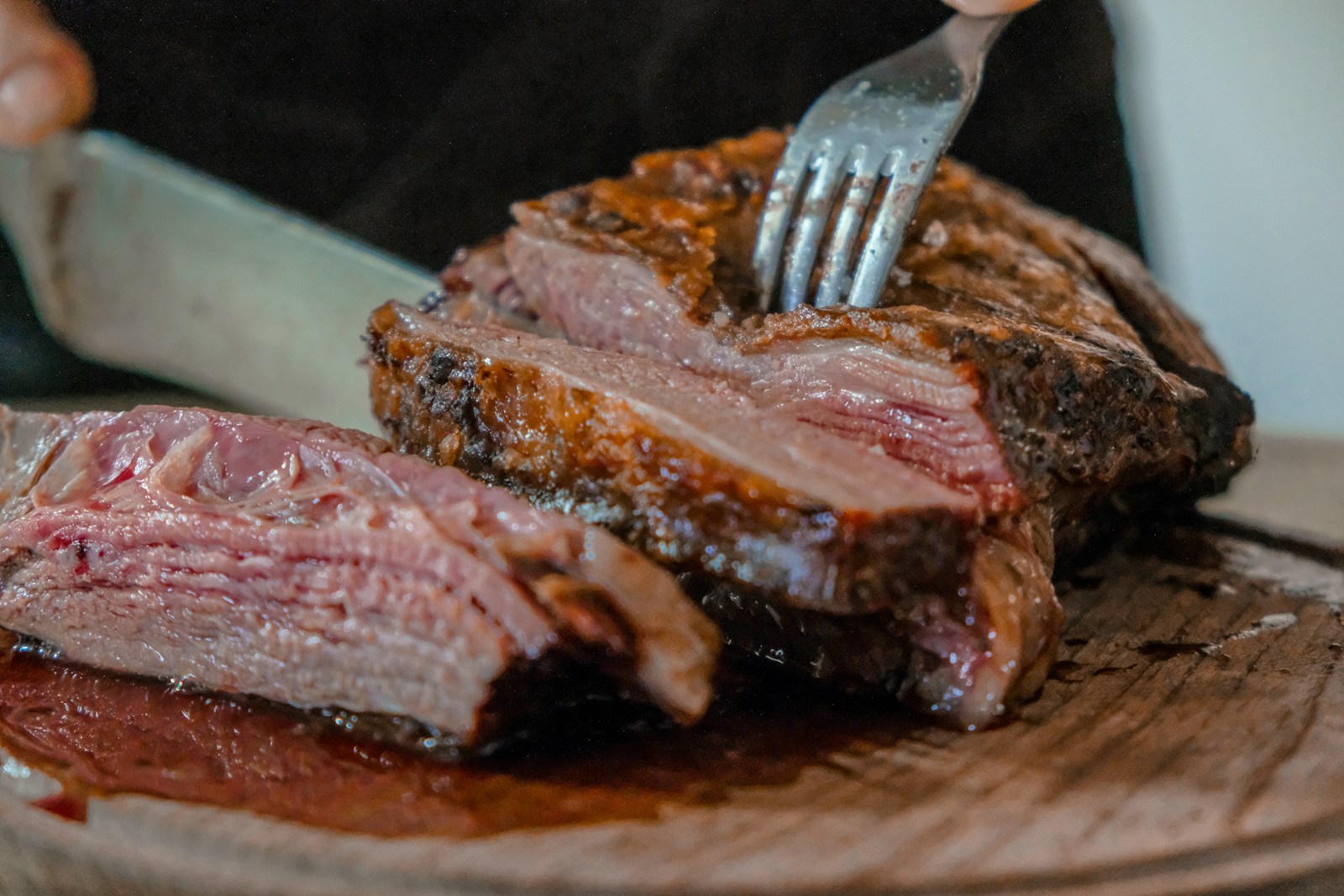
Protein is essential for muscle, energy, and recovery — but it doesn’t need to break the bank. Smart shopping and mixing options can keep costs low while keeping meals nutritious.
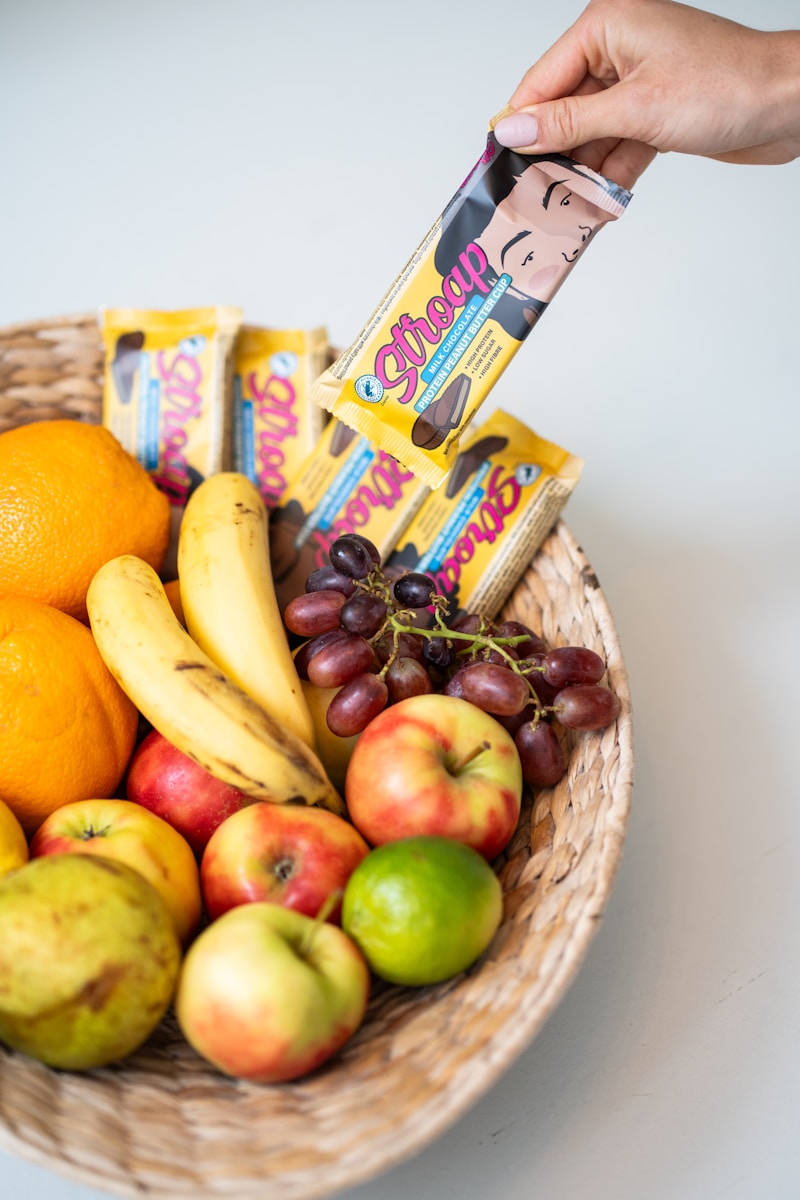
You don’t need an app to make smart food choices. With a few simple tools, you can keep your intake balanced and avoid the stress of constant tracking.
Signup our newsletter to get updated information, promos and insight about health and weight maintenance!
Start with the fundamentals of weight change, nutrition, movement, and habits. Everything is explained in plain language, backed by evidence.
Pick the tools and strategies that work for your schedule, budget, and preferences—whether that’s meal planning, training, or small habit shifts.
Sustainable results come from consistency. We give you the knowledge and resources to stay on track and adjust when life changes.
A realistic pace is usually 0.25–1.0 kg per week, depending on body size and lifestyle. Daily changes are normal—focus on weekly trends, not the scale every morning.
Both matter, but nutrition has the biggest impact on weight loss. Exercise is essential for strength, health, and maintaining results long-term.
No. They’re legitimate medical tools for certain situations. They always require professional supervision and still work best alongside healthy habits.
Neither. The key is quality and balance: choose mostly minimally processed carbs and unsaturated fats while prioritizing protein and fiber.
Articles are written by health writers and reviewed by a registered dietitian or doctor. Every page shows sources, reviewers, and the last update date.
Sign up for our newsletter today and receive 10% off our meal planning and training resources.